
October 7, 2015

Tracking Whales with Quadrotors

Currently, whales are observed manually using binoculars and cameras from the shore or from boats, and notes are made using pencil and paper. The process is error prone, non-quantitative and very labor intensive.

  • EVERYDAY LIFE

Group

Distributed Robotics Laboratory

Observing whales is important for marine biology tasks such as taking census, determining family lineage, and general behavior observations.

Currently, whales are observed manually using binoculars and cameras from the shore or from boats, and notes are made using pencil and paper. The process is error prone, non-quantitative and very labor intensive.

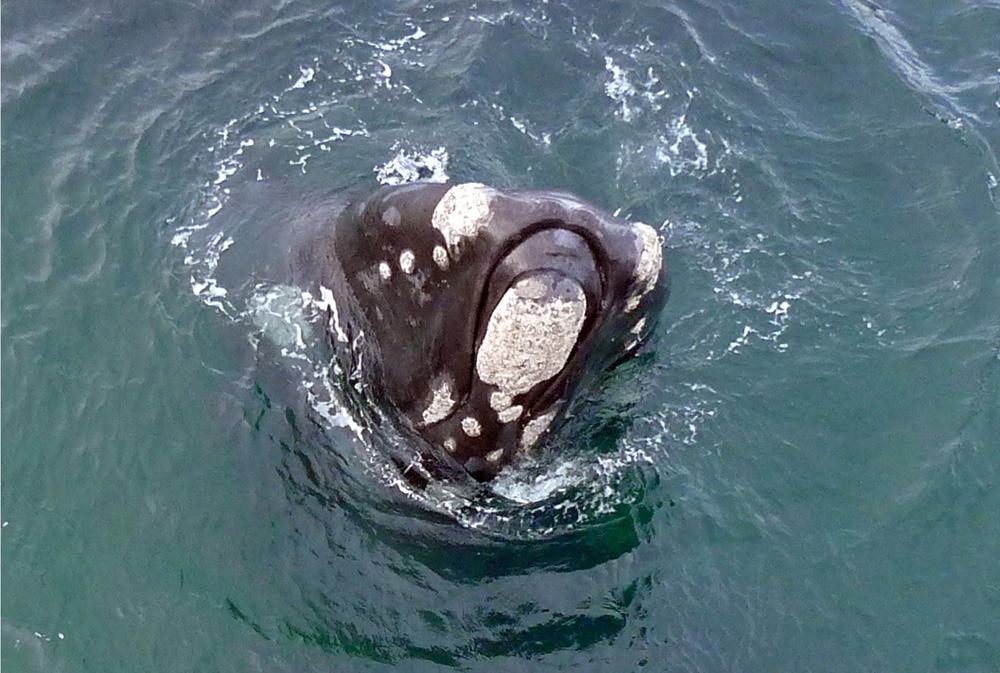
We partnered with Roger Payne to observe whales and other marine animals using robots. Between August 20-25 2009, our team deployed a remote controlled Falcon 8 robot over the sea at Peninsula Valdez, Argentina to collect data on Southern Right whales. We used small hovering unmanned aerial vehicles such as the Ascending Technologies Falcon 8 robot to assist in the data collection of whales. The robot is silent enough to fly close above the water’s surface and not disturb the whales. The robot captures their natural behavior with images of unprecedented detail.


CONTACT

Collaborate on
Ideas That Shape
the Future

Breakthroughs need ecosystems. Daniela works with founders, researchers, students, industry leaders, and investors to move bold ideas from first principles to real-world impact.

If you are building the next generation of AI, robotics, mobility, intelligent systems, or device-native technologies (systems that are efficient, trustworthy, and designed to serve people) there may be an opportunity to collaborate.

Daniela welcomes conversations with people and organizations working to turn scientific imagination into technologies that improve lives, strengthen society, and help shape a better future.